Laboratory of Cellular and Molecular Neuroscience
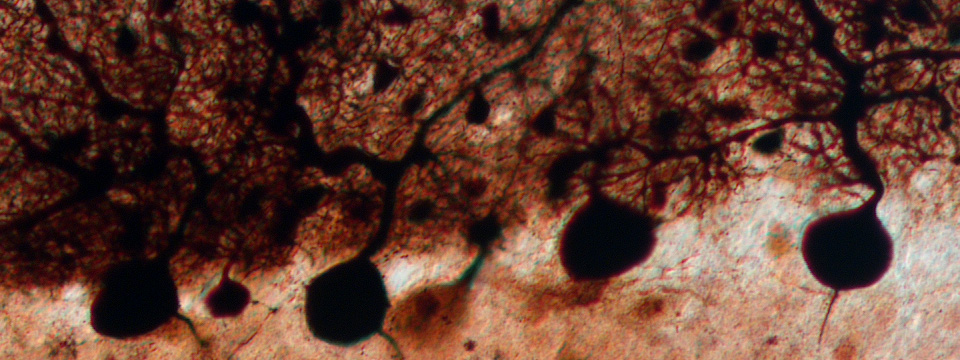 Synaptic Activity in AII Amacrine Cells
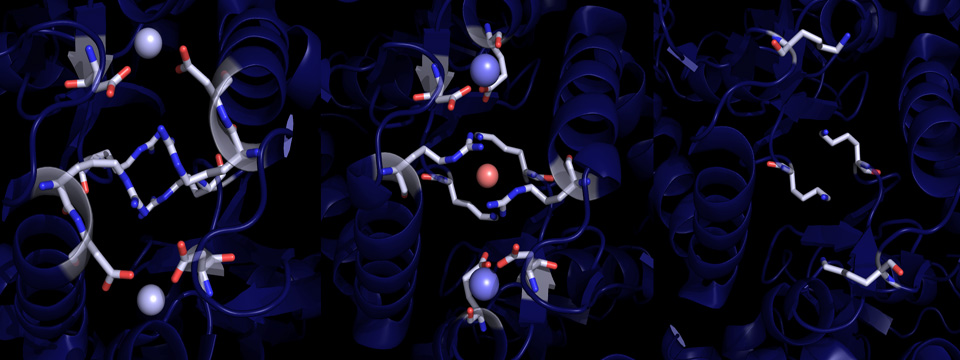
 iGluR Structures
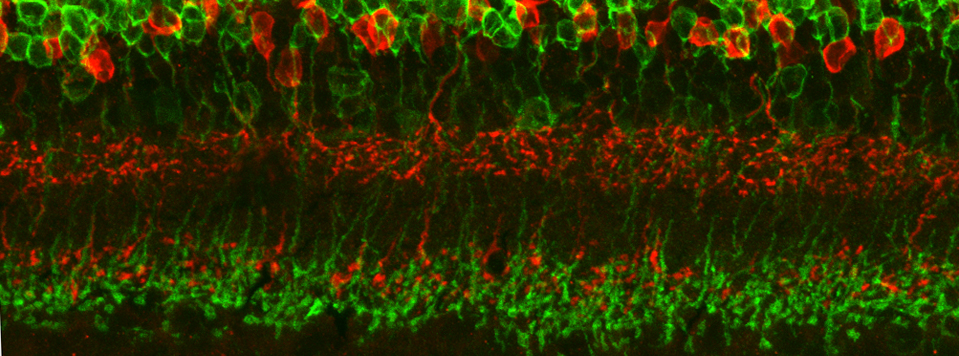
 Antibody Staining of the Rat Retina
 GABA Receptor Structure
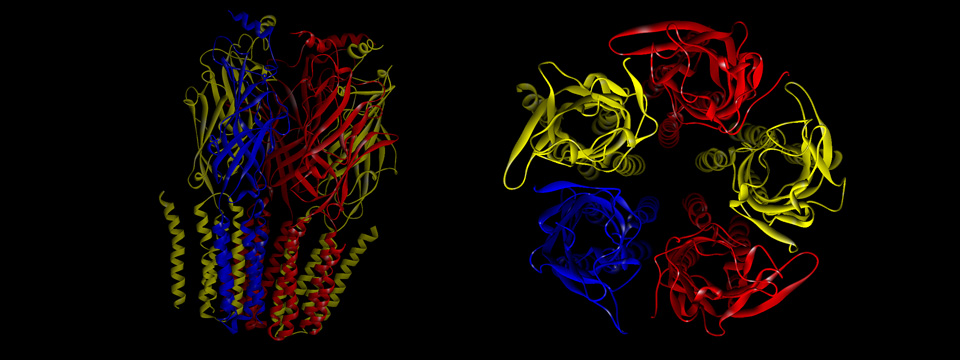 iGluR Single Channels
 NaV-Ab Structure
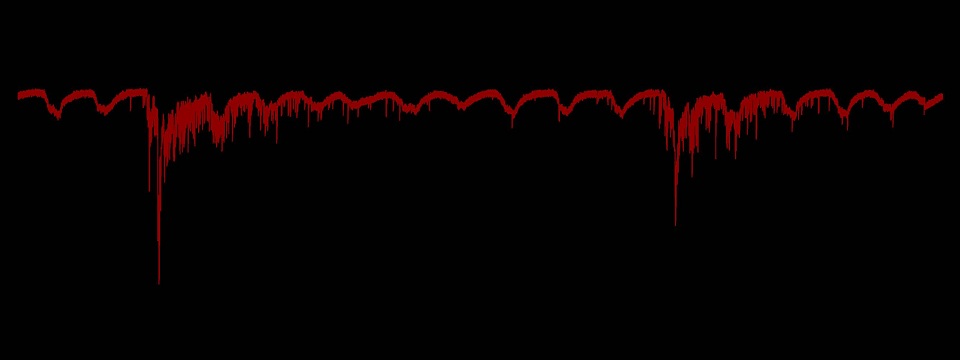
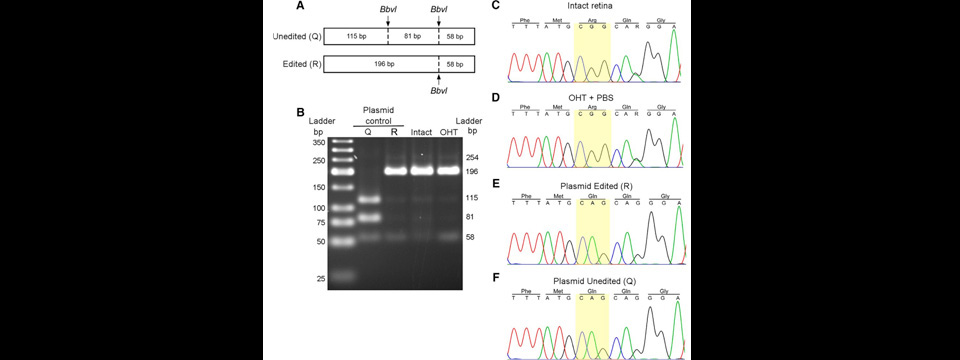
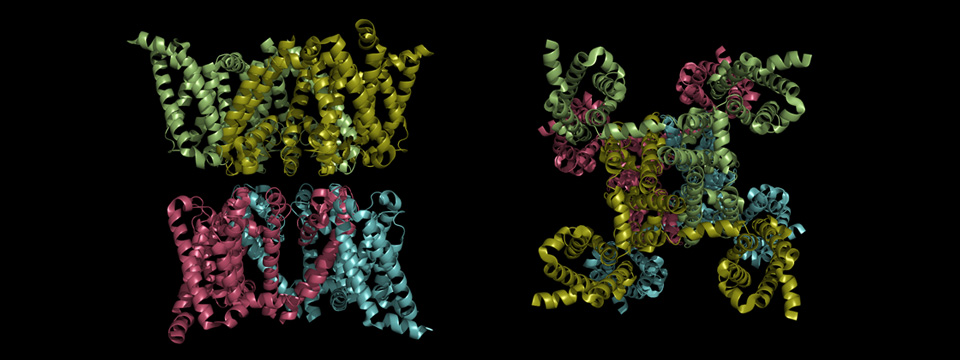 Spikes in cerebellar stellate cells
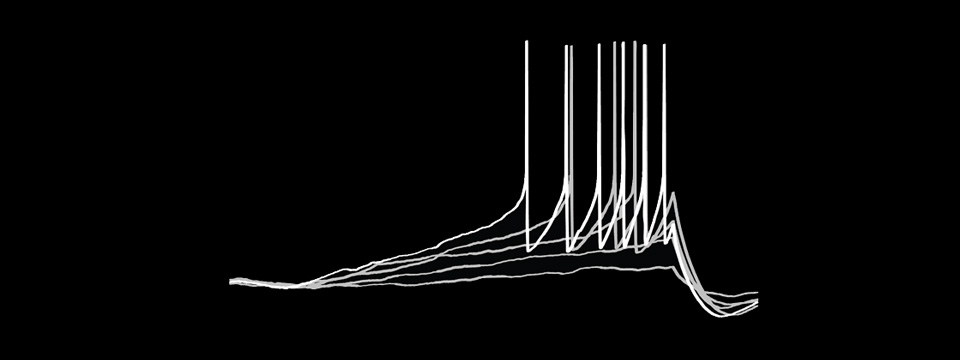 iGluR Drug Discovery
 GABA Receptors in Human Epilepsy
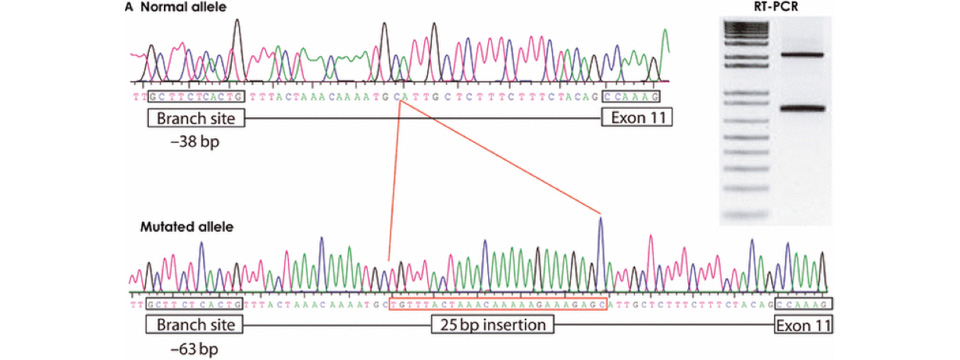 AMPARs in Glaucoma
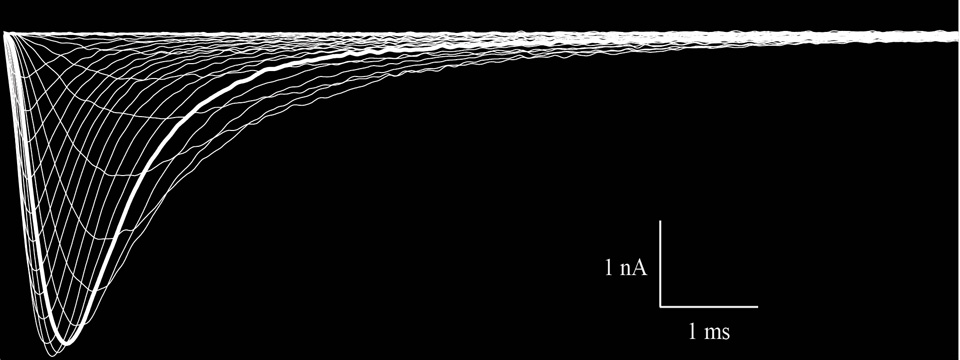
 Sodium Currents
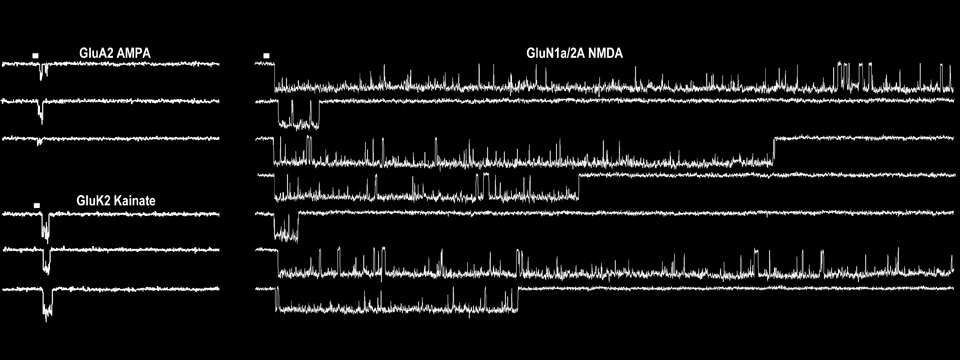
 Single Channel iGluRs
 AMPAR Signaling Complex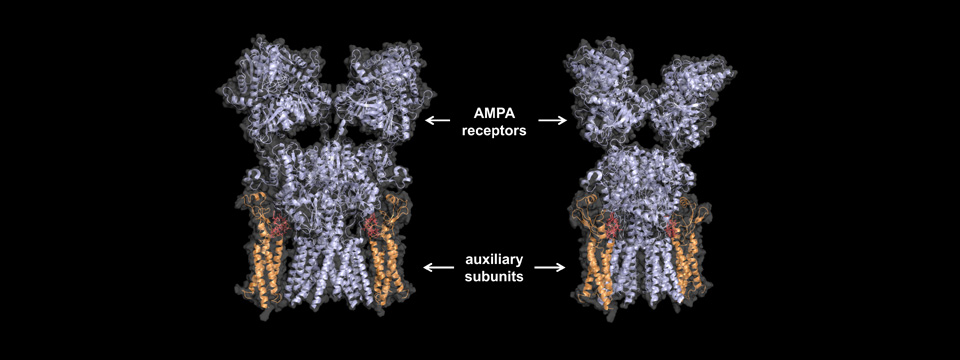
Research Interests
The Bowie Lab uses a combination of techniques to study ionotropic glutamate receptors (iGluRs), GABA-A receptors and more recently, Na+ channels. All ion-channel families are widespread in the vertebrate brain and fulfill many important roles in healthy individuals as well as being implicated in disease states associated with postnatal development (e.g. Autism, Schizophrenia), cerebral insult (e.g. Stroke, Epilepsy) and aging disorders (e.g. Alzheimer's disease, Parkinsonism). We are looking at iGluRs, GABA-A receptors and Na+ channels at two inter-related levels. In molecular terms, we are examining the events that occur when each ion-channel family is activated with the aim of developing novel therapeutic compounds. At the cellular level, we are studying the role that iGluRs, GABA-A receptors and Na+ channels fulfill in shaping the behaviour of neuronal circuits and how these processes may be corrected in disease states.
More About Us...
Important Links
Lab news
September 2026 - A fantastic showing by the Bowie Lab at the 2026 IPN Retreat! Liam and Siqi presented their work in the poster sessions, while Cecilia presented her research at the IPN Retreat Symposium for the first time. Also huge congratulations to Siqi , who received the Best Poster Award! Great job everyone!
PhD students Liam, Siqi, and Zhe kicked off the Molecular Neuroscience Group (MNG) seminar series for the 2026–2027 academic year by presenting their recent work. This year also marks the 20th anniversary of MNG—congratulations on two decades of bringing the neuroscience community together! Great job, everyone!
August 2026 - The lab welcomes new PhD rotation student, Catherine Stephens. Looking forward to working with you Catherine!
The lab is pleased to also bring on 4 undergraduate students to work on research projects this academic year. We welcome Keira Ma, Ariana Tang, Helen Ghayemian, and Gabriele Droghini!
Dr. Bowie and Xintong attended the 2026 iGluRetreat at Emory University, joining the international iGluR community for three days of exciting discussions on glutamate receptor biology and GRI disorders!
July 2026 - Congratulations to Fede on successfully completing his postdoctoral work in the Bowie Lab! Thank you for being such a wonderful colleague and for all your contributions to the lab. You will be greatly missed!
June 2026 - Congrats to Derek, Fede, Xintong and Amanda for recent review paper in Nature neuroscience review! Check out the AMPA receptor life cycle: assembly, regulation and synaptic diversity here.
Dr. Bowie presented at the 2026 Frontiers in Neuroscience Conference in Prague and also gave a research seminar at the Czech Academy of Sciences, hosted by Prof. Ladislav Vyklicky. A busy and exciting trip sharing our lab’s latest research!
May 2026 - Derek presented our lab's latest work linking ionotropic glutamate receptor dysfunction to intellectual disability at the 2026 Ion Channel Modulation Symposium hosted by Sophion Bioscience. Zhe and Cecilia also presented posters showcasing their research.
Congratulations to Zhe, who ran his first full Marathon in Ottawa!
Bowie lab members were shining at CAN meeting 2026! Everyone presented exciting work through poster presentations, and Dr. Xintong also gave a symposium talk on her latest AMPA receptor research in the session "Molecular Codes and Trans-Synaptic Architecture of Central Synapses", co-chaired by Dr. Bowie.
April 2026 - Congratulations to Cecilia and Siqi on passing the PhD candidacy exam! Great job!
April 2026 - Congratulations to Chloe on successfully earning her Master's degree! Thank you for you being such an amazing coworker. We are so proud of you and all you have accomplished!
January 2026 - Congrats to Derek for his recent article in The Scientist! Check out how glutamatergic synapses act as a hub for intellectual disability here.
The lab welcomes Yousif, a new undergraduate student who is joining us for the semester to help investigate the evolution of NMDARs. Welcome to the lab!
October 2025 - Congratulations to Fede and Xin-tong on their great presentations at iGluRetreat. Hard work pays off!
Cecilia and Chloe opened the Molecular Neuroscience Group (MNG) seminar series for the 2025 - 2026 academic year with captivating presentations showcasing their latest research.
Congratulations to Chloe, who ran her first marathon in Quebec City!
July 2025 - Welcome to the lab, Javier Picañol! We're thrilled to have you join us as a visiting student from the University of Barcelona.
Join the lab
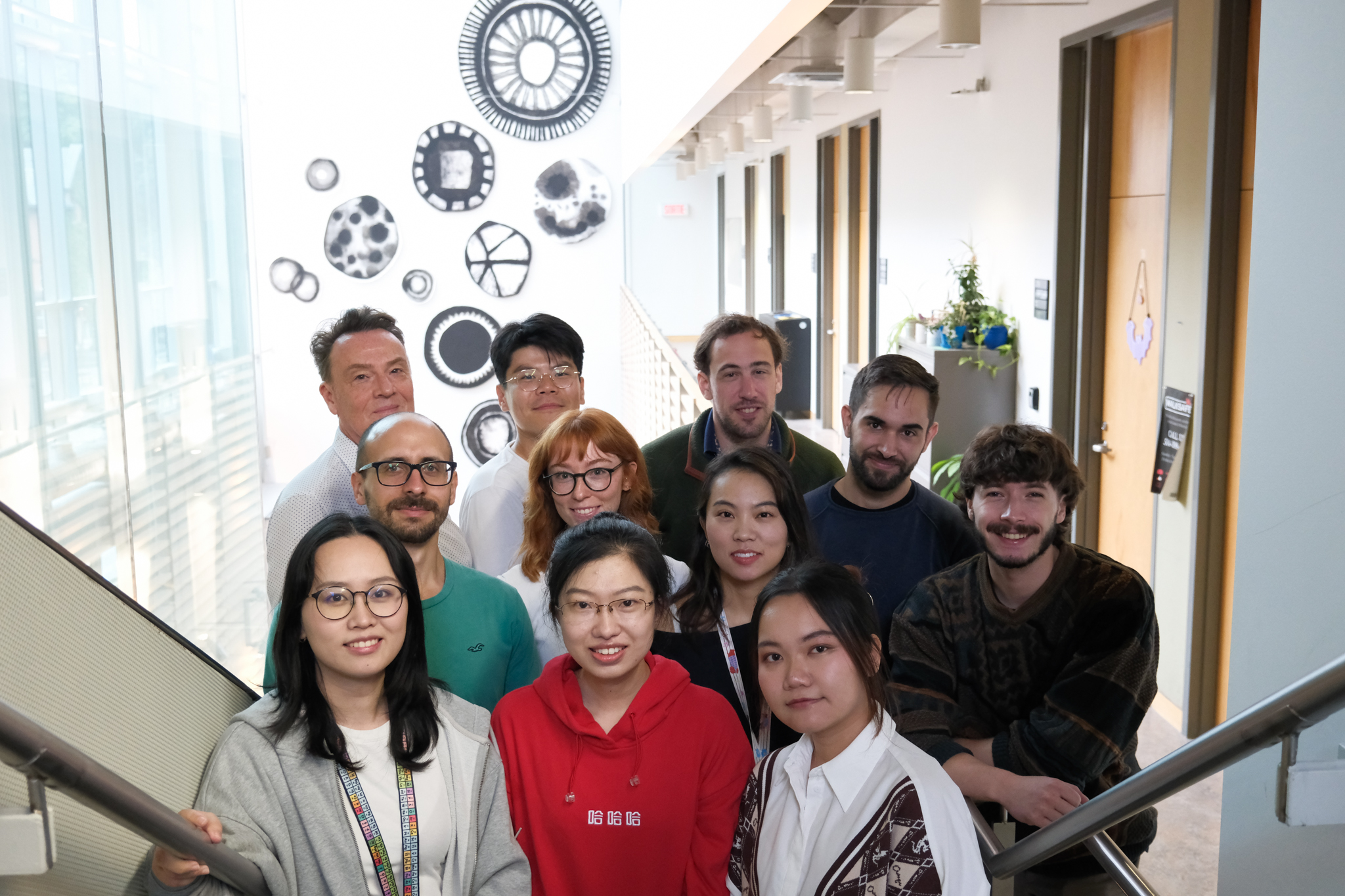
We currently have positions available for graduate students and/or post-doctoral fellows. Click the link above for more information!
Find out more about us by looking us up on the NeuroTree